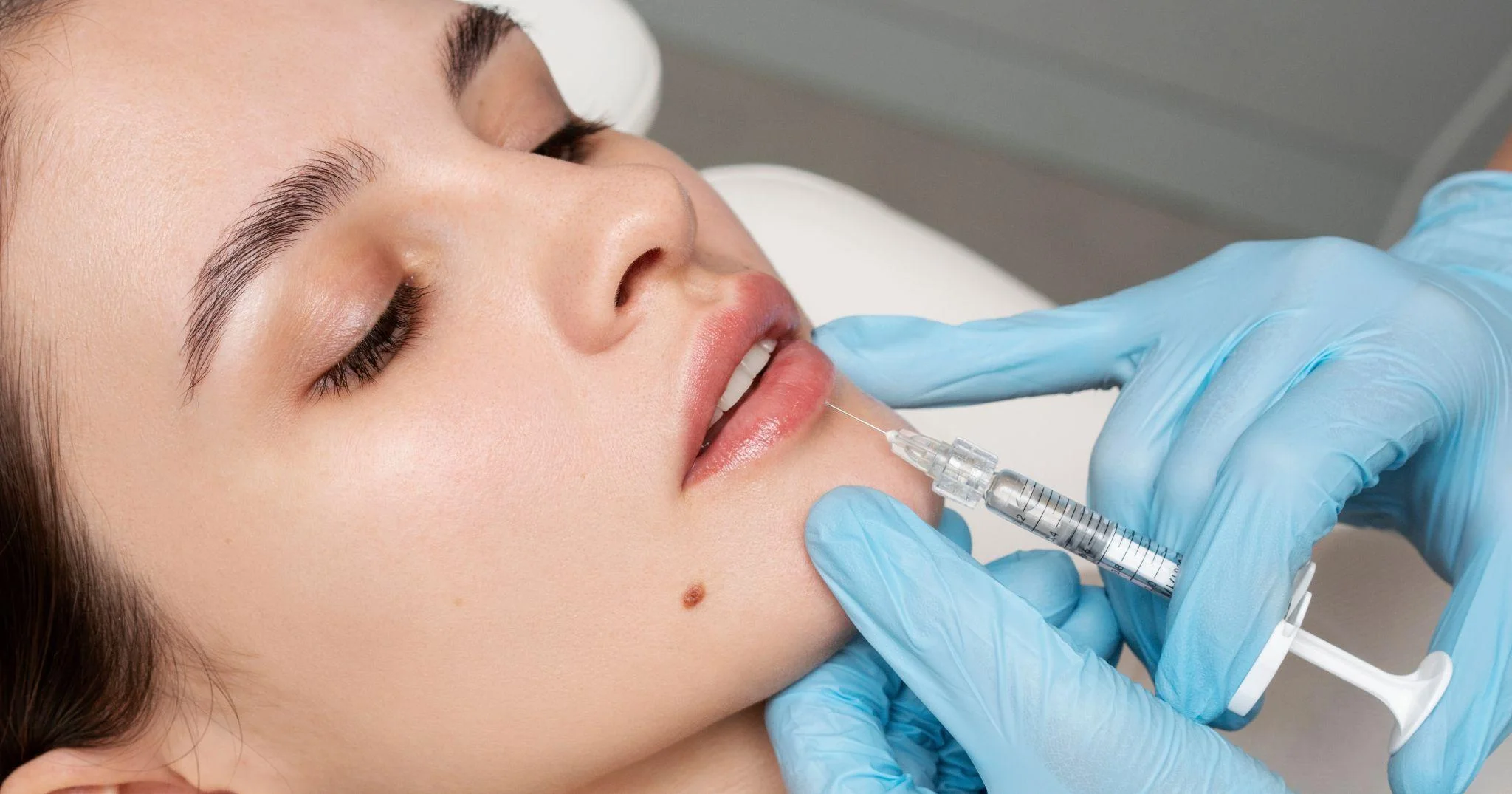
Dermal fillers have become one of the most popular non-surgical cosmetic treatments worldwide, helping people restore lost facial volume, soften wrinkles and enhance natural facial features without surgery. Whether you're considering fillers for your lips, cheeks, jawline or under-eye area, understanding the treatment process can help you make an informed decision.
Unlike invasive procedures that require weeks of recovery, dermal fillers typically involve a short appointment, minimal downtime and immediate visible improvements. However, achieving natural-looking results depends not only on the product used but also on the injector's expertise, facial anatomy assessment and personalised treatment planning.
If you're new to cosmetic injectables, it's worth reading our complete guide to dermal fillers before exploring treatment options.
In this guide, we'll explain exactly what happens during a dermal filler treatment, the benefits, expected results, recovery timeline, longevity and what you should realistically expect after your appointment.
What Is Dermal Filler Treatment?
Dermal filler treatment is a minimally invasive cosmetic procedure that involves injecting gel-like substances beneath the skin to restore volume, improve facial contours and reduce visible signs of ageing.
Most modern fillers are made from hyaluronic acid (HA), a naturally occurring substance found in the skin that helps retain moisture and maintain elasticity. As we age, natural hyaluronic acid, collagen and elastin decline, leading to volume loss, folds and wrinkles.
Dermal fillers temporarily replace this lost volume while supporting facial balance and hydration.
Common treatment areas include:
- Lips
- Cheeks
- Chin
- Jawline
- Nasolabial folds
- Marionette lines
- Tear troughs (under-eye area)
- Temples
Depending on your goals, fillers can either restore youthful volume or subtly enhance naturally balanced facial features.
Who Is a Good Candidate?
Dermal fillers may be suitable if you want to:
- Restore age-related volume loss
- Smooth moderate facial lines
- Define facial contours
- Improve facial symmetry
- Enhance lips naturally
- Reduce tired-looking under-eye hollows
- Achieve facial rejuvenation without surgery
A medical consultation is essential before treatment. Your practitioner will assess your medical history, facial anatomy, skin quality and treatment goals to determine whether fillers are appropriate
Step-by-Step Dermal Filler Procedure
Understanding each stage of treatment often helps reduce anxiety before your appointment.
1. Consultation and Facial Assessment
Every successful filler treatment begins with a comprehensive consultation.
During this appointment, your practitioner will:
- Discuss your concerns
- Understand your aesthetic goals
- Examine facial proportions
- Assess skin quality
- Review your medical history
- Explain suitable filler options
- Create a personalised treatment plan
Rather than focusing on individual wrinkles, experienced injectors evaluate the face as a whole to create balanced, natural results.
2. Preparing the Treatment Area
The skin is cleansed thoroughly to minimise infection risk.
Depending on the treatment area, a topical numbing cream may be applied for additional comfort. Many modern fillers also contain lidocaine, helping reduce discomfort during injection.
Treatment areas are then marked to guide accurate placement.
3. Filler Injection
Using either a fine needle or blunt-tip cannula, the practitioner carefully places small amounts of filler beneath the skin.
The injection technique depends on:
- Treatment area
- Skin thickness
- Facial anatomy
- Desired result
- Type of filler used
Throughout the procedure, the practitioner continually evaluates symmetry and adjusts placement as needed.
4. Immediate Assessment
Once treatment is complete, the injector gently massages certain areas if necessary and evaluates facial balance from multiple angles.
Minor adjustments may be performed immediately to ensure smooth, even results.
5. Aftercare Instructions
Before leaving the clinic, you'll receive personalised aftercare advice, which may include avoiding:
- Heavy exercise for 24 hours
- Alcohol for 24 hours
- Excessive heat exposure
- Facial massages
- Pressure on treated areas
- Certain skincare products temporarily
Following aftercare recommendations helps minimise swelling and optimise results.
How Long Does the Procedure Take?
Most dermal filler appointments take approximately 30 to 60 minutes, depending on the number of treatment areas.
Smaller treatments, such as lip fillers, may take around 20–30 minutes, while full-face rejuvenation may require additional time.
Benefits of Dermal Fillers
Dermal fillers offer several advantages over surgical procedures.
Immediate Improvement
Unlike treatments that require months before noticeable changes occur, dermal fillers usually provide visible improvement immediately after injection.
Final results become clearer once any temporary swelling settles.
Minimal Downtime
Most patients return to work and daily activities on the same day.
Temporary redness, swelling or bruising may occur but usually improves within several days.
Natural-Looking Results
Modern filler techniques focus on enhancing existing facial features rather than creating an artificial appearance.
Conservative treatment often produces subtle improvements that leave people looking refreshed rather than noticeably "treated."
Customisable Treatment
Every face ages differently.
Dermal fillers allow practitioners to customise treatment according to:
- Facial proportions
- Skin quality
- Volume loss
- Personal preferences
This flexibility makes fillers suitable for a wide range of cosmetic concerns.
Non-Surgical Facial Rejuvenation
Dermal fillers can restore youthful facial contours without surgery, general anaesthesia or lengthy recovery periods.
Many patients choose fillers because they offer noticeable improvements while fitting easily into busy lifestyles.
When Will You See Results?
One of the biggest advantages of dermal fillers is that improvements are usually visible immediately after treatment.
However:
- Mild swelling may temporarily exaggerate results
- Bruising may occur
- Final appearance typically settles within one to two weeks
Your practitioner may recommend a review appointment after this period.
How Long Do Dermal Fillers Last?
Longevity varies depending on:
- Type of filler
- Treatment area
- Product used
- Individual metabolism
- Lifestyle factors
Typical duration includes:
| Treatment Area | Average Longevity |
|---|---|
| Lips | 6–12 months |
| Cheeks | 12–18 months |
| Jawline | 12–18 months |
| Chin | 12–18 months |
| Nasolabial folds | 9–18 months |
| Tear troughs | 9–12 months |
Maintenance treatments help preserve consistent results.
Possible Side Effects
Most side effects are temporary and resolve naturally.
Common side effects include:
- Mild swelling
- Redness
- Tenderness
- Bruising
- Temporary firmness
Although uncommon, more serious complications can occur if fillers are administered incorrectly. Choosing a qualified and experienced medical professional significantly reduces these risks.
Can Dermal Fillers Be Combined With Other Treatments?
Yes.
Dermal fillers are frequently combined with treatments such as:
- Anti-wrinkle injections
- Skin boosters
- PRP therapy
- Collagen-stimulating treatments
- Laser resurfacing
- Medical-grade skincare
Many patients benefit from combination treatments because facial ageing involves changes in volume, skin texture and muscle movement rather than a single concern.
If you're exploring different injectable options, our comparison of popular facial rejuvenation treatments explains when fillers may be used alone or alongside other procedures.
How to Get the Best Results
The quality of your outcome depends on more than the filler itself.
Choose a practitioner who:
- Has appropriate medical qualifications
- Performs comprehensive consultations
- Understands facial anatomy
- Uses approved filler products
- Prioritises natural-looking outcomes
- Provides thorough aftercare
Natural enhancement should always take priority over excessive volume
Frequently Asked Questions
Are dermal fillers painful?
Most patients describe only mild discomfort. Many fillers contain lidocaine, and topical numbing cream can further improve comfort.
How soon can I return to work?
Most people return to normal activities immediately after treatment, although temporary swelling or bruising may be noticeable for a few days.
Can dermal fillers be dissolved?
Yes. Hyaluronic acid fillers can usually be dissolved using an enzyme called hyaluronidase if necessary.
Will my face sag if I stop getting fillers?
No. Once fillers gradually break down, your face generally returns to its natural ageing process rather than becoming worse because treatment stopped.
How often do I need maintenance?
Maintenance varies depending on the treatment area and filler type but is commonly recommended every 6 to 18 months.
Final Thoughts
Dermal filler treatment offers an effective, minimally invasive way to restore facial volume, refine contours and soften visible signs of ageing. When performed by a qualified practitioner, the procedure is quick, requires little downtime and can produce natural-looking results tailored to your unique facial structure.
While results are temporary, thoughtful treatment planning and regular maintenance can help preserve a refreshed appearance over time. The most successful outcomes come from balancing aesthetic goals with realistic expectations and prioritising facial harmony over dramatic change.
If you're still deciding whether dermal fillers are the right choice, our beginner's guide to understanding dermal fillers covers everything from filler types and treatment areas to safety and common misconceptions.
References
- American Society of Plastic Surgeons. Soft Tissue Fillers. https://www.plasticsurgery.org/cosmetic-procedures/dermal-fillers
- NHS. Cosmetic Procedures – Dermal Fillers. https://www.nhs.uk/conditions/cosmetic-procedures/dermal-fillers/
- U.S. Food & Drug Administration (FDA). Dermal Fillers (Soft Tissue Fillers). https://www.fda.gov/medical-devices/aesthetic-cosmetic-devices/dermal-fillers-soft-tissue-fillers
- Sundaram H, et al. Global Aesthetics Consensus: Hyaluronic Acid Fillers. Plastic and Reconstructive Surgery. 2016.
- De Boulle K, Heydenrych I. Patient Factors Influencing Dermal Filler Outcomes. Journal of Cosmetic Dermatology. 2015.
- Carruthers J, Carruthers A. Soft Tissue Augmentation Using Hyaluronic Acid Fillers. Dermatologic Surgery. 2018.
Explore ELYARA Dermal Fillers
Discover peptide-integrated dermal fillers designed for natural-looking facial rejuvenation.
View Dermal Fillers